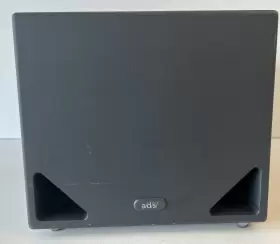

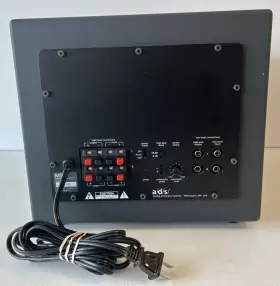
The AD/SD/MS3/U ADS MS1 Subwoofer System is a comprehensive audio solution designed for serious audio enthusiasts and professionals. This system consists of three main components: the AD/SD (Active Driver/Sub Driver) MS3, the ADS (Active Driver System) MS1, and a high-performance subwoofer.
The AD/SD MS3 is the heart of the system, featuring a powerful 3-way active driver configuration. This component boasts a 15-inch woofer, a 6.5-inch midrange driver, and a 1-inch compression driver for exceptional high-frequency response. The MS3 is equipped with a robust Class D amplifier, capable of delivering up to 2,000 watts of power, ensuring precise and dynamic sound reproduction. The MS3 also features advanced DSP (Digital Signal Processing) technology, offering various EQ settings, limiting, and crossover adjustments to tailor the sound to your specific needs and environment.
The ADS MS1 is a versatile, 2-way active driver system. It features a 6.5-inch midrange driver and a 1-inch compression driver, driven by a powerful Class D amplifier. The ADS MS1 offers adjustable crossover settings, allowing you to seamlessly integrate it with the MS3 and the subwoofer for a cohesive and balanced sound.
The subwoofer completes this powerful system. It features a large, high-excursion 18-inch woofer, capable of delivering deep, powerful bass. The subwoofer is equipped with a Class D amplifier, capable of delivering up to 1,000 watts of power. This subwoofer is designed to integrate seamlessly with the MS3 and MS1, providing a powerful and dynamic low-frequency extension to your audio system.
The AD/SD/MS3/U ADS MS1 Subwoofer System is built to last, with high-quality materials and robust construction. It is also easy to use, with intuitive controls and user-friendly software for system configuration and adjustment. Whether you're a music lover, a home theater enthusiast, or a sound engineer, this system offers exceptional performance and flexibility to meet your audio needs.
Sure, I'd be happy to help you understand the pros and cons of different types of audio systems. I'll focus on five common types: active speakers (a), passive speakers (p), powered subwoofers (s), multi-subwoofer setups (ms1 and ms3), and analog vs digital systems.
1. Active Speakers (a):Pros: Built-in amplifiers, making setup easier and eliminating the need for additional equipment. They often have more advanced features and better sound quality compared to passive speakers.
Cons: Generally more expensive due to the integrated amplifier.
Conclusion: Ideal for those who value ease of setup, advanced features, and superior sound quality, but are willing to pay a premium.
2. Passive Speakers (p):Pros: Generally more affordable due to the absence of built-in amplifiers. Some audiophiles prefer the sound quality of passive speakers.
Cons: Require a separate amplifier, adding complexity to the setup.
Conclusion: A good choice for budget-conscious audio enthusiasts who don't mind the added complexity of setting up a separate amplifier.
3. Powered Subwoofers (s):Pros: Easy to set up and can significantly enhance bass performance. They often come with adjustable controls to fine-tune the sound.
Cons: Limited frequency response and may not provide as detailed or nuanced bass as a multi-subwoofer setup.
Conclusion: Ideal for those looking for a simple and effective way to improve their system's bass response.
4. Multi-Subwoofer Setups (ms1 and ms3):Pros: Provide better coverage of the low-frequency spectrum and more detailed and nuanced bass compared to a single subwoofer.
Cons: More expensive, complex to set up, and take up more space.
Conclusion: A good choice for audiophiles who value high-quality bass and are willing to invest in a more complex and expensive setup.
5. Analog vs Digital Systems:Analog: Pros: Wide availability and compatibility, and some people believe it provides a more natural and warm sound.
Cons: Susceptible to noise and degradation over time and distance.
Digital: Pros: Generally better sound quality due to reduced noise and degradation, and easier to integrate with modern home entertainment systems.
Cons: Requires a digital-to-analog converter (DAC) and may not sound as natural or warm as analog.
Conclusion: Digital systems offer better sound quality and integration with modern systems, but analog can provide a more natural and warm sound, depending on personal preference.
In conclusion, the best system for you depends on your budget, preferences, and needs. If you value ease of setup and advanced features, active speakers might be the best choice. If you're budget-conscious, passive speakers could be a good option. For improved bass performance, powered subwoofers might be ideal. For high-quality bass and a willingness to invest in a more complex setup, multi-subwoofer setups could be the best choice. And if you're deciding between analog and digital, consider your preferences for sound quality and the integration with your home entertainment system.
Details:
specifications vintaspeaker:
- brand: A/d/s/
- mpn: Ms3/u
- part type: Subwoofer System
returns vintaspeaker:
- policy: returns accepted
- paid by: buyer
- time: 30 days
- method: money back
shipping vintaspeaker:
- class: economy
- carrier: fedex
- type: fixed
- transit: 5-10 days
- service: fedex ground economy
offer vintaspeaker:
- options: ship-to-home
- started: may 27, 2024
- prices: $59.99–$400.00
- item condition:
- Used
- Like New
- For parts or not working
- in stock #: 5
- sold #: 28
- availability: in stock
seller vintaspeaker:
- rating: 100.0%
- # reviews: 55
- city: stamford, connecticut
payments vintaspeaker:
- wallet: google-pay
- credit card: visa
general vintaspeaker:
- category: Electronics > Audio Video > Vintage Speakers